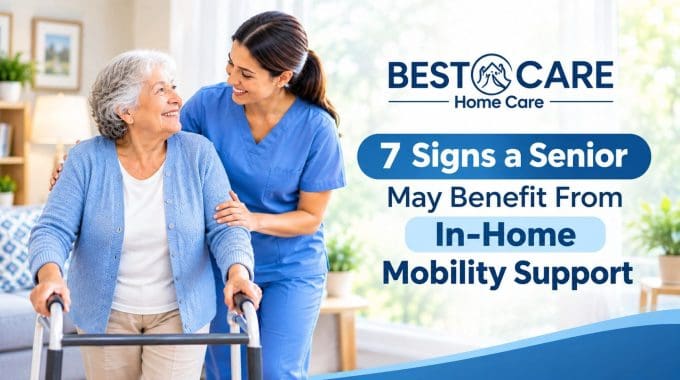
It usually starts with something small. Your mom pauses a beat too long at the…

For Compassionate & Reliable Home Care Services in Maryland
Finding help on a regular basis for your elderly parent, loved one with a disability or a recovering individual can be tough to source. Families want quite a bit more than just a helping hand. Love, dignity, safety and trust are their aspirations. You or your loved one may need In-Home Care Services In Maryland right now.
Table of Contents
If recent news is any indication, families are turning more to personalized home care as we all get older. Whether you need a companion, help with daily living, mobility assistance or specialist care, staying at home makes them comfortable, safe and independent.
BESTCARE Home Care has a caring helper for your beloved to improve his or her quality of life better while at home.
What Are In-Home Care Services?
In-home care services refer to the area of health and social care which helps people with activities of daily living. The services were developed for seniors, the disabled, those recently discharged from the hospital, and those living with chronic conditions.
Home care may include:
- Personal hygiene assistance
- Meal preparation
- Medication reminders
- Light housekeeping
- Mobility assistance
- Companionship care
- Transportation support
- Dementia or Alzheimer’s support
- Respite care for family caregivers
- Daily living assistance
The goal is to help individuals live safely and comfortably while preserving independence.
Why In-Home Care Is Important for Seniors and Individuals with Chronic Conditions
In-Home Care Services are Professional In Help by
Supporting Independence
Many seniors prefer aging in place rather than relocating to assisted living facilities. Home care allows them to remain in familiar environments.
Reducing Risk of Injuries
Falls are one of the leading causes of hospitalization among older adults. Caregivers help minimize risks through mobility assistance and supervision.
Providing Emotional Support
Feeling lonely can negatively affect your mental health. Companionship service promotes socialization and emotional wellness.
Handling Routine Tasks.
The presence of a caregiver provides support to easy daily routines like dressing, bathing, cooking, and taking medication, etc.
Betterment of Quality of Life.
Repeated learning keeps the person engaged, at ease, and confident.
Feeling lonely can negatively affect your mental health. Companionship service promotes socialization and emotional wellness.
Handling Routine Tasks.
The presence of a caregiver provides support to easy daily routines like dressing, bathing, cooking, and taking medication, etc.
Betterment of Quality of Life.
Repeated learning keeps the person engaged, at ease, and confident.Betterment of Quality of Life.
Repeated learning keeps the person engaged, at ease, and confident.
Benefits of Choosing Home Care Over Institutional Care
Frequently, families consider home care versus a nursing home or care facility. Home care has benefits for a lot of situations.
1. Personalized One-on-One Attention
Unlike institutional settings where caregivers assist multiple residents, In-Home Care Services focus on individualized care plans.
Benefits include:
- Customized routines
- Flexible scheduling
- Personal preferences respected
- Strong caregiver relationships
2. Comfort of Familiar Surroundings
Remaining at home helps reduce stress and anxiety. Familiar environments can be especially beneficial for individuals with memory-related conditions.
3. Greater Independence
Home care promotes autonomy rather than dependence.
Individuals often maintain:
Personal choices
Daily routines
Social activities
Community involvement
4. Family Involvement in Care Decisions
Loved ones remain closely involved in planning and monitoring care.
5. Cost-Effective Support Options
Depending on care needs, home care may provide more flexible and affordable support compared to residential facilities.
Signs a Loved One May Need Home Care Support
Families often wonder when additional assistance becomes necessary.
Common signs include:
Physical Changes
- Frequent falls
- Reduced mobility
- Weight loss
- Difficulty bathing or dressing
Memory Concerns
- Missed medications
- Confusion
- Forgetting appointments
- Repeating conversations
Household Difficulties
- Unpaid bills
- Untidy living spaces
- Poor nutrition
- Difficulty cooking meals
Emotional Indicators
- Social withdrawal
- Depression
- Loneliness
- Increased anxiety
Recognizing these signs early can help prevent health complications and improve overall well-being.
How Professional Caregivers Improve Quality of Life
Qualified caregivers provide more than assistance—they build trust and support emotional wellness.
Professional caregivers contribute through:
Improved Safety
Caregivers monitor risks and assist with movement and daily tasks.
Better Nutrition
Meal preparation ensures healthier eating habits and consistent routines.
Emotional Connection
Regular companionship reduces feelings of isolation.
Support for Families
Family caregivers often experience stress and burnout. Professional assistance offers relief and peace of mind.
Consistent Routine Management
Daily schedules improve comfort and reduce confusion.
Why Families Trust Local Home Care Providers in Maryland
Choosing local providers offers several advantages.
Maryland families often value caregivers who understand:
- Community resources
- Local healthcare systems
- Regional support networks
- Cultural preferences
- Individual family needs
Local agencies build trusting relationships with care and responsiveness.BESTCARE Home Care offers compassionate care that respects and maintains the dignity and safety of each client.
How to Choose the Right In-Home Care Services in Maryland
Selecting the right caregiver or agency is an important decision.
Consider the following factors:
Evaluate Care Needs
Determine whether support is needed for:
- Personal care
- Companionship
- Specialized conditions
- Mobility assistance
- Short-term recovery
Check Experience and Training
Ask about:
- Caregiver qualifications
- Specialized training
- Background checks
- Experience with chronic conditions
Review Flexibility of Services
Quality In-Home Care Services should adapt as needs change.
Ask About Communication Practices
Families should receive regular updates regarding care and progress.
Read Reviews and Testimonials
Feedback from other Maryland families provides valuable insight.
Why Compassion Matters in Home Care
Although critical, technical skills are less important than compassion. Social workers and caregivers help individuals feel valued.
Confidence is bolstered, dignity is sustained, and emotional wellness is enhanced through quality care.
Conclusion
When your loved one needs care, making the right choice about support is one of the most significant families’ decisions. In-home assistance helps you to maintain your independence, safety and comfort and well-being.
Families in Maryland increasingly choose home care options simply because they allow their loved ones to remain in the comfort of their own homes. Home care offers adaptable assistance that does not disrupt the routine activities in their homes.
Are you in need of personalized and reliable care solutions? BESTCARE Home Care provides caring caregivers based on your necessity.
FAQs
What Do In-Home Care Services Offer?
Services can include personal care and companionship meal preparation and medication-reminding mobility assistance transportation and daily living support.
Who avails of home care services?
Professional home care greatly assists older adults, disabled persons, post-operative persons, and people with chronic illnesses.
How frequently can caregivers pay visits?
Each schedule of care is unique and scheduled care may be part-time, full-time, overnight or 24-hour care depending on personal need.
Is home care a better option than being moved into a facility?
Whether a hospital bed is worth it or not varies from one person to person. Home care is preferred by hundreds of people since they remain independent in familiar settings.
How Can You Tell When Your Loved One Needs Caregiving Support?
Signs may be mobility issues, memory problems, poor hygiene, missing medicines, and more isolation.

Related Posts